
Back to Solar
Back to school is when our daily routines shift—mornings start earlier, dinner schedules adjust, and late-night summer dance parties give way to homework deadlines. These changes can create tension as families adapt to new patterns. As we prepare for these transitions, it’s important to think about the resources that literally power these changes.
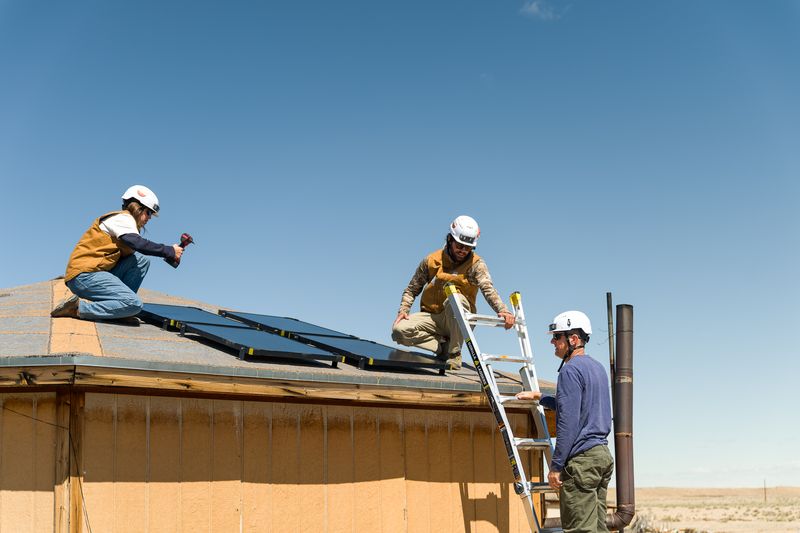
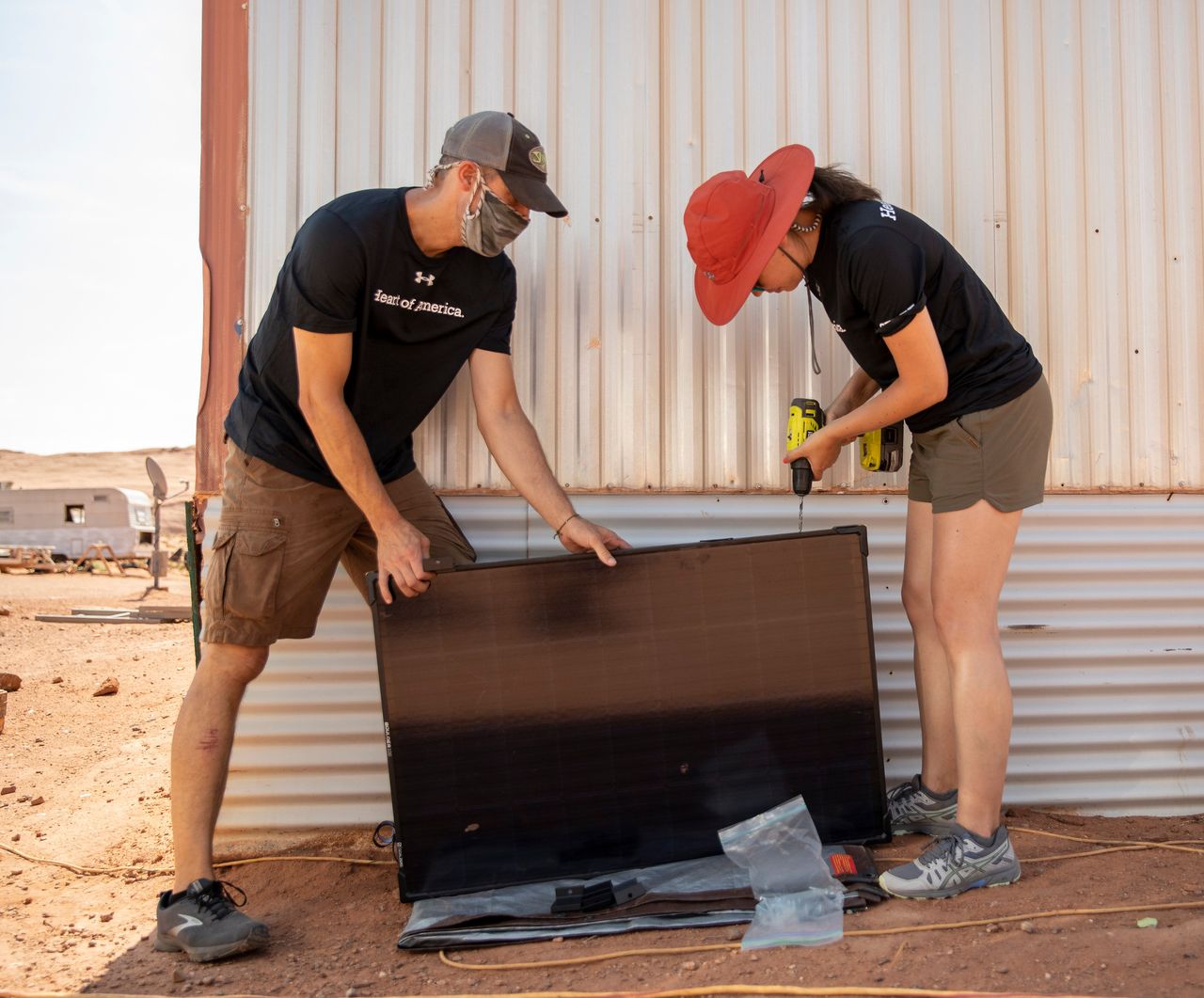
As you gear up for the new school year, we’re thinking about how we go back to solar. Heart of America has been working with Indigenous communities for nearly five years to bring power to homes. Reliable electricity — something that so many of us take for granted — isn’t easy to come by in the Navajo Nation. Shockingly, one in three homes does not have access to electricity. This means that young people rely upon daylight hours to do schoolwork, not to mention snuggling up with a book before bed — moments treasured by all parents.
Here are three reasons why we are so invested in solar for Indigenous communities:
It’s fundamental. Kids can’t do homework at night without light, yet one in three homes in the Navajo Nation lacks access to electricity. This forces families to complete most evening tasks during daylight hours or rely on battery-powered items like flashlights. Some students even resort to doing their homework in their cars, as that’s the only power source available. Clearly, none of these options are ideal.
It’s fair. Education equity has two essential elements: distributive justice and inclusion. Bottom line, a student’s cultural background shouldn’t impact their learning experience. Yet, kids in marginalized groups face seemingly impossible hurdles to receiving a quality education.
It’s clean. The Navajo Nation covers about 27,000 square miles in the southwestern United States, with approximately 270 sunny days a year. This means we have a power source that can be used year-round and handle the area’s extreme elements. Plus, the solar we install on the homes is durable, able to handle whatever weather is thrown at them — which equates to a longer lifespan of the kits themselves. This is a much cleaner solution than the kerosene lanterns that many households use!
Bright Ideas, Lasting Solutions
We co-created a strategic approach to ensure we create solutions that work for all: All agree that solar is a great fit for these families! But our commitment doesn’t stop there. Alongside our solar initiatives, we’re dedicated to building state-of-the-art educational environments in Indigenous schools, including STEAM Labs and Peace & Meditation Centers. We’re also creating vibrant community spaces like public libraries, recreation centers, and play and sports facilities. This ensures that learning can advance via a strong continuum of home, school, and community locations outside the traditional school day.
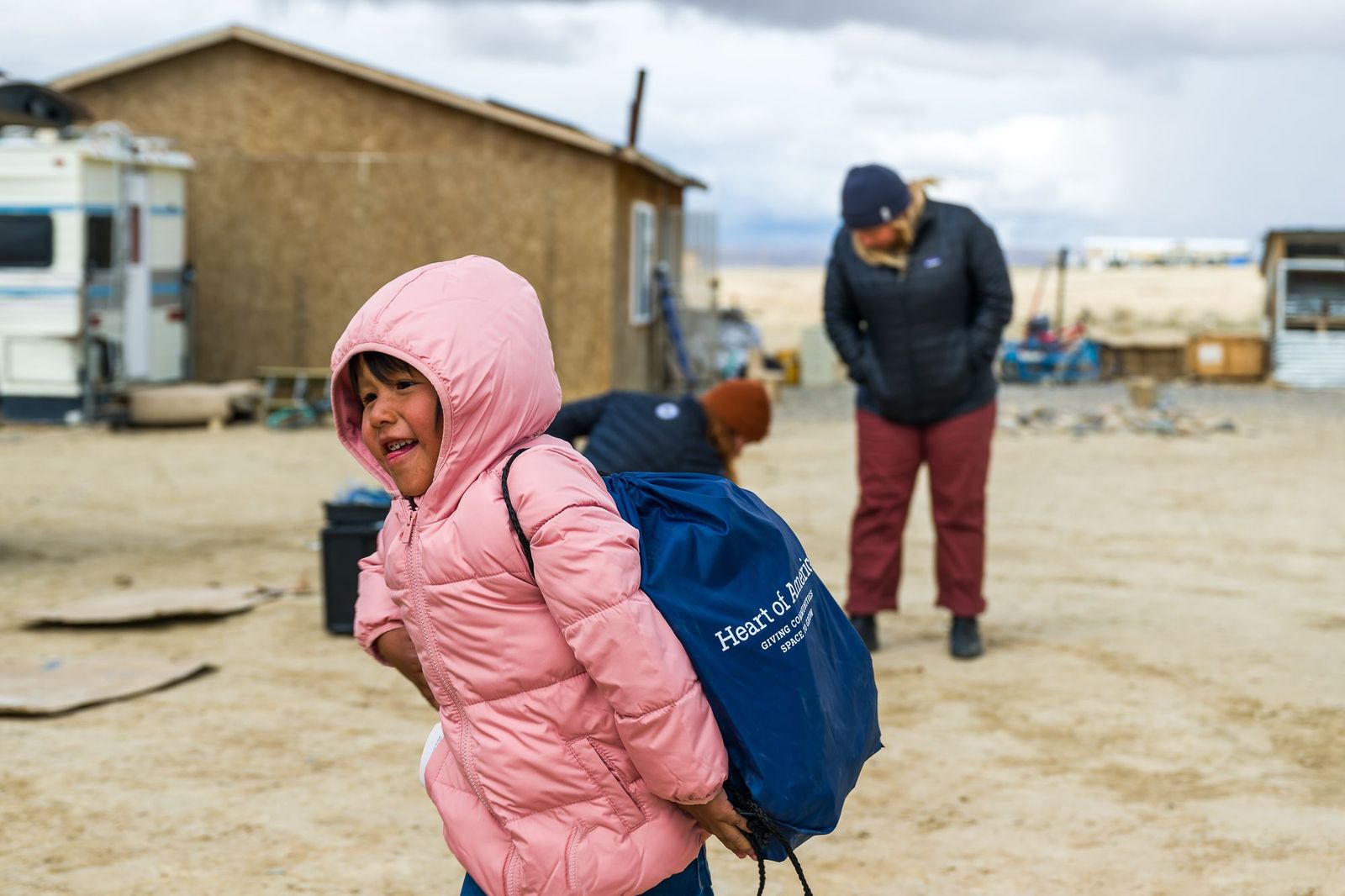
We are committed to addressing the unique challenges Indigenous students and families face. So far, we’ve provided essential resources like basic school supplies, art materials, and solar-powered lanterns to over 10,000 students and families. These lanterns light the way to learning after dark, ensuring that education continues even when the sun sets.
Help us turn on the power for even more students by donating now. Every dollar goes directly to developing our solar power in Indigenous communities!